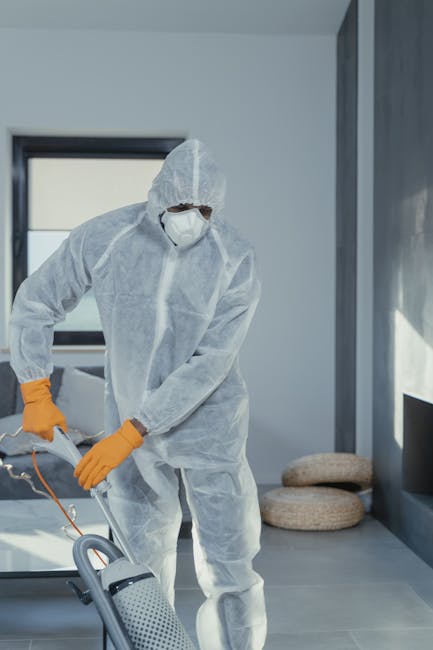
Deep cleaning for homes near Tooting Bec Common
If your home near Tooting Bec Common is starting to feel a bit tired, sticky, or just not quite fresh no matter how much you tidy, you are probably overdue for a proper deep clean. And to be fair, that happens to almost everyone. Between busy commutes, family life, pets, wet shoes from a walk across the Common, and the usual London dust that seems to appear out of nowhere, standard cleaning only goes so far.
This guide explains what deep cleaning for homes near Tooting Bec Common actually involves, when it makes sense, what good results look like, and how to prepare your home so the work is efficient and worthwhile. You will also find a practical checklist, a comparison table, and answers to common questions people ask before they book.
Why Deep cleaning for homes near Tooting Bec Common Matters
Homes near Tooting Bec Common have their own rhythm. There is greenery, foot traffic, family activity, dog walkers, school runs, and the everyday churn of a lively South London neighbourhood. That is part of the appeal. It also means dirt gets tracked in more easily, dust settles in soft furnishings, and high-touch areas get used hard. In older flats and Victorian terraces especially, grime likes to hide in places you rarely notice until it builds up.
A deep clean is not just a more intense version of regular house cleaning. It is a reset. It targets the places that are usually skipped in weekly upkeep: behind appliances, under furniture edges, around skirting boards, inside extractor covers, limescale on taps, greasy hob surrounds, bathroom seals, and those annoying little corners where dust clings on for dear life. You know the ones.
What makes this especially relevant near the Common is the mix of lifestyles. Some households need a seasonal refresh after months of open-window living and muddy shoes. Others need a pre-tenancy clean, a post-renovation tidy-up, or a one-off recovery clean after a period when life has simply been too busy to keep on top of everything. Truth be told, sometimes the house is not "dirty" as such; it is just carrying too much everyday build-up.
For many residents, the real value is mental as much as visual. A properly deep-cleaned home feels lighter. It smells cleaner. The kitchen feels more usable. Bathrooms stop looking dulled by residue. The whole place feels easier to live in. That matters, especially if you spend a lot of time at home or work from home a few days a week.
How Deep cleaning for homes near Tooting Bec Common Works
A deep clean usually starts with a walk-through or a clear written brief. The aim is to understand the property layout, the priority areas, and the condition of surfaces and fixtures. A good cleaner does not just arrive with a cloth and hope for the best. They plan the order of work so the job is done thoroughly and in a sensible sequence.
In most homes, the process begins at the top and moves downward: dusting high shelves, light fittings, and tops of cupboards before cleaning the lower surfaces. Kitchens and bathrooms normally take the most time because they combine grease, moisture, soap residue, and high-touch points. Bedrooms and living rooms follow, with attention to skirting boards, radiators, door frames, window ledges, and upholstery touchpoints.
A proper deep clean usually goes beyond what you would manage in a routine tidy. It may include:
- Degreasing kitchen surfaces and splashbacks
- Cleaning inside and around appliances where appropriate
- Removing limescale from taps, sinks, and shower fittings
- Detailing skirting boards, switches, handles, and edges
- Vacuuming and edge-cleaning carpets and hard floors
- Wiping cupboard fronts, internal shelves, and accessible storage
- Refreshing toilets, baths, showers, and grout lines
- Dusting vents, frames, and less obvious gathering points
The exact scope depends on the service provider and the condition of the property. That is one reason it helps to compare a dedicated deep clean with related services such as domestic cleaning, one-off cleaning, or house cleaning. They overlap, but they are not always identical. A deep clean is usually more detailed and more time-intensive.
If your home has carpets, sofas, rugs, or mattresses that have collected years of everyday use, you may want to pair the clean with specialist care like carpet cleaning, sofa cleaning, rug cleaning, or mattress cleaning. That is often where the biggest visual and hygiene difference shows up.
Key Benefits and Practical Advantages
The obvious benefit is cleanliness, but the practical advantages go further. A thorough deep clean can make the home easier to maintain for weeks afterwards, because surfaces start from a better baseline. Sticky residue is gone. Dust is reduced. Bathrooms feel less grimy. You notice it in small ways too: doors glide more cleanly, taps shine, and the kitchen stops feeling slightly... well, tired.
Here are the benefits people usually care about most:
- Better hygiene: Deep cleaning removes build-up in high-use areas where bacteria, mould, and allergens can linger.
- Improved comfort: Rooms feel fresher, brighter, and more pleasant to live in.
- Less stress: A clean home reduces that low-level background irritation of seeing mess everywhere.
- Stronger first impressions: Useful before guests, landlords, buyers, or tenants arrive.
- More efficient upkeep: Once grime is removed, routine cleaning becomes quicker.
Another benefit that gets overlooked: a deep clean can expose little maintenance issues early. You might spot a leaking seal, an extractor that is not doing much, or a patch of damp behind furniture. That is not fun, obviously, but it is better than discovering it months later after the problem has grown legs.
For households with busy schedules, a deep clean can also reset the home before switching to a regular plan. If that sounds like your situation, it may be worth exploring regular cleaning afterwards so the standards are easier to keep up. A one-off reset is helpful; keeping things there is the bit that saves your sanity.
Expert summary: A good deep clean is not about making a home look staged for five minutes. It is about removing hidden build-up, restoring neglected details, and leaving the property in a genuinely easier-to-manage state.
Who This Is For and When It Makes Sense
Not every home needs a deep clean every month. That would be overkill, and nobody wants to pay for work they do not actually need. But there are very clear moments when it makes sense.
This service is a strong fit if you are:
- Moving into a new property and want a clean start
- Moving out and need the home to be left in proper condition
- Preparing for guests, family visits, or a special occasion
- Recovering after builders, decorators, or renovation work
- Coming back after a period of illness, travel, or simply not enough time at home
- Living with pets, children, or both, which, let's face it, is a cleaning marathon
- Renting out a property and need a reset between occupancies
It is also useful for people who can clean regularly but struggle with the deeper jobs. A lot of households near Tooting Bec Common keep on top of the visible stuff while quietly putting off the inside of the oven, the shower screen, or the dust collecting on top of cupboard doors. No shame in that. Most people do.
If you are between moves, a move-in cleaning or move-out cleaning service can be a better match than a generic clean because it is designed around property handovers. For landlords and tenants, end of tenancy cleaning can be especially relevant when time is tight and expectations are specific.
And if the home has just had work done, a more specialised after builders cleaning approach is usually the safer choice. Fine dust after building work has a sneaky habit of moving into every gap. It is impressive, in the most annoying way.
Step-by-Step Guidance
If you want the best result, a little preparation goes a long way. A deep clean works best when the home is ready for it, not when the cleaner is spending half the appointment moving random items from one surface to another.
- Walk through the property room by room. Make a note of the worst areas first: kitchen grease, bathroom scale, dusty skirting, stained soft furnishings, or neglected corners.
- Decide on priorities. If time or budget is limited, focus on the rooms that matter most. For many homes that is kitchen, bathroom, and main living areas.
- Declutter visible surfaces. Put away loose items, toys, toiletries, paperwork, and laundry so the cleaning effort can go into the surfaces themselves.
- Check access. Make sure the team can reach sinks, cupboards, windows, radiators, and storage areas you want cleaned.
- Separate special materials. If you have delicate fabrics, antique furniture, or anything that should not be treated with standard products, say so clearly.
- Agree on scope before work starts. It is always better to confirm what is included than to assume. The cleaner should know whether you want appliance interiors, upholstery, or window detailing included.
- Let the team work systematically. Good deep cleaning follows a sequence. Interrupting constantly tends to slow things down.
- Do a final walkthrough. Check key areas while the cleaner is still there, if possible. That makes it easier to catch anything that needs a final touch.
A small but important detail: if you are booking around family schedules, try not to cram the appointment into the middle of a chaotic day. An empty-ish home makes the process smoother. You will feel the difference. So will the cleaners.
Expert Tips for Better Results
A few practical habits can make deep cleaning more effective and less disruptive. These are the details that separate a decent result from a genuinely satisfying one.
- Start with the dirtiest job first. Kitchens and bathrooms often take more time than people expect, so they should be planned for early rather than squeezed in at the end.
- Use the right product for the surface. Stronger is not always better. Harsh chemicals on delicate finishes can leave streaks, dull patches, or damage.
- Allow dwell time. Degreasers and limescale removers often need a short pause to work properly. Wiping immediately can reduce the effect.
- Don't forget touchpoints. Handles, switches, remotes, banisters, and door frames collect more grime than people realise.
- Pair deep cleaning with maintenance. Once the home is refreshed, a lighter ongoing plan keeps it from sliding back too quickly.
If you are dealing with upholstery that looks dull, or a sofa that has absorbed everyday smells from food, pets, and winter evenings with the windows shut, bringing in upholstery cleaning can lift the whole room. Same goes for windows. Clean glass sounds simple, but it changes the light in the house in a way that is a bit dramatic, actually. In a good way.
One more thing: ask about cleaning products if anyone in the home is sensitive to fragrance or specific ingredients. A responsible cleaning service should be able to discuss suitable options calmly and clearly. No fuss. No mystery sprays.
Common Mistakes to Avoid
Most deep-cleaning problems are preventable. The trouble is, people usually discover them after the job is done. A few common missteps are worth avoiding.
- Confusing a deep clean with a quick tidy. They are not the same thing. A tidy home can still be grimy in the hidden areas.
- Leaving clutter everywhere. If surfaces are covered, the cleaner cannot fully access them.
- Assuming appliances are included. Oven interiors, fridge interiors, and extractor hoods may be separate unless agreed in advance.
- Using the wrong cleaner on the wrong surface. This is a classic mistake on shiny kitchens, natural stone, and coated furniture.
- Ignoring ventilation. Bathrooms and kitchens dry better when air can circulate. Otherwise you can end up with that damp, stale feeling again.
- Booking too little time. A property that has not been deep cleaned for years will not usually be transformed by a rushed slot.
There is also a hidden mistake people make with expectations. They sometimes expect a deep clean to fix wear and tear, yellowing grout, permanent stains, or old damage. That is not realistic. A thorough service improves condition dramatically, but it does not rewrite the history of the property. Fair enough, really.
Tools, Resources and Recommendations
You do not need a cupboard full of complicated gear to prepare for or maintain a deep-cleaned home. In fact, simple and well-chosen tools are often better than a cluttered collection of half-used products.
For home maintenance, a sensible kit usually includes:
- A good vacuum with attachments for edges and upholstery
- Microfibre cloths for dusting and polishing
- A mop suitable for your floor type
- Non-abrasive sponges for kitchens and bathrooms
- Separate cloths for bathroom and kitchen use
- Surface-safe cleaning sprays or concentrates
- A small brush for grout, rails, and corners
If you are comparing what to book, the service links can help you narrow things down. For example, oven cleaning is useful if the oven is the main pain point. window cleaning is worth adding if natural light is being dulled by smears and rain marks. And if the home needs a full refresh rather than a narrow task list, deep cleaning is the right umbrella service to start from.
For renters and landlords, it can also help to review the service terms and pricing information before booking. The pages on pricing and quotes, payment and security, and terms and conditions are useful for understanding what to expect. Simple, yes, but important.
Law, Compliance, Standards, or Best Practice
For domestic deep cleaning, there usually is not a single legal rule that tells you exactly how a home must be cleaned. The better way to think about it is through best practice, duty of care, and common sense. A professional service should work safely, use suitable products, and protect both the property and the people in it.
In the UK, good practice generally includes safe handling of chemicals, clear communication about access and risks, and sensible care around delicate surfaces, electrical items, and slippery floors. If a cleaner is working in your home, they should be mindful of trip hazards, ventilation, and any household sensitivities you mention in advance.
Insurance matters too. It is reasonable to ask whether a provider has appropriate cover and how they approach safety on site. The company's insurance and safety information and health and safety policy should give you a clearer picture of their standards. That is not overthinking it. That is just being sensible with your home.
If sustainability is important to you, ask about product choice, waste reduction, and how reusable materials are handled. Many households near Tooting Bec Common like practical, lower-waste approaches, and that is where a cleaner's recycling and sustainability approach becomes relevant. Not every job needs a dramatic eco-promise; sometimes it is just about making careful choices.
Options, Methods, or Comparison Table
It can help to compare the main options before you book. Deep cleaning is the broadest and most detailed choice, but it is not always the only one you need.
| Service type | Best for | Typical scope | Best when |
|---|---|---|---|
| Regular cleaning | Weekly or fortnightly upkeep | Visible surfaces, floors, bathrooms, kitchen touchpoints | You want ongoing maintenance and a tidy baseline |
| One-off cleaning | General refresh without recurring visits | Broader tidy and clean, depending on brief | You need the home presentable for a specific reason |
| Deep cleaning | Detailed reset of neglected areas | Hidden grime, build-up, edges, fixtures, and detailed attention | The home needs a proper top-to-bottom refresh |
| End of tenancy cleaning | Rental handovers | More formal, property-ready clean for moving out | You are preparing for inventory, check-out, or new tenants |
| After builders cleaning | Post-renovation dust and debris | Fine dust removal, residue clearing, detailed surface work | You have had work done and want the home usable again |
The table is not about making one service look superior to another. It is about choosing the right tool for the job. If your home just needs light upkeep, regular cleaning is enough. If the place has been left untouched for a while, deep cleaning is usually the better fit. Simple as that.
Case Study or Real-World Example
Here is a realistic scenario from the kind of home you often find around Tooting Bec Common: a two-bedroom flat with a busy kitchen, one bathroom, a small hallway, and a living room that doubles as a work space. The family keeps the place generally tidy, but over time the kitchen has developed greasy patches near the cooker, the bathroom has limescale around the taps, the skirting boards are dusty, and the sofa cushions have absorbed months of daily use.
Before the deep clean, the home feels fine on the surface but a bit heavy in the details. After the clean, the change is not dramatic in a flashy way. It is quieter than that. The kitchen looks brighter because the splashback and cupboard fronts are no longer dulled. The bathroom smells fresher. The hallway feels less grey. Even the sofa looks more inviting because the surface grime is gone.
The useful part, from an owner's perspective, is what happens next. Routine cleaning becomes much easier because you are not fighting old residue. A quick wipe now actually works. Floors stay looking decent for longer. That is the real win. Not just a good-looking room for a day, but a home that is easier to look after after the fact.
And yes, there is a satisfying moment when the light hits a cleaned window and the whole room seems to breathe again. Slightly dramatic maybe, but accurate.
Practical Checklist
Use this checklist before a deep clean so the visit runs smoothly and the results are easier to judge afterwards.
- Rooms and priorities are listed clearly
- Surfaces are cleared where possible
- Valuables and fragile items are stored safely
- Pets are managed during the appointment
- Parking or access details are confirmed if needed
- Problem areas are pointed out in advance
- Special materials or delicate finishes are mentioned
- Window, oven, carpet, or upholstery add-ons are agreed if required
- Cleaning products or sensitivities are discussed
- Final inspection time is left at the end, if possible
If you want to keep the result going, a follow-up plan can help. Some homes do best with a monthly reset, others with fortnightly support. It depends on the household, the number of occupants, and how much traffic the property gets. There is no perfect formula, just the one that fits your life.
Get a free quote today and see how much you can save.
Conclusion
Deep cleaning for homes near Tooting Bec Common is about more than appearances. It is about restoring order, removing the grime that builds up quietly, and giving your home a cleaner, calmer baseline. Whether you are preparing to move, recovering after building work, getting ready for guests, or simply tired of seeing the same stubborn marks every day, the right deep clean can make a real difference.
The best results come from clear scope, realistic expectations, and a sensible match between the service and the condition of the home. Do that well, and the whole job feels less like a chore and more like a proper reset. Which, honestly, is the point.
And if your home needs that fresh start, it is worth taking the next step sooner rather than later. A cleaner space has a way of making everything else feel more manageable. Small thing, big relief.
Frequently Asked Questions
What is included in deep cleaning for a home near Tooting Bec Common?
It usually includes detailed cleaning of kitchens, bathrooms, floors, skirting boards, fixtures, visible build-up, and other neglected areas. Exact inclusions depend on the service scope agreed in advance.
How is deep cleaning different from regular cleaning?
Regular cleaning maintains a home. Deep cleaning targets built-up dirt, hidden dust, limescale, grease, and neglected details. It takes longer and goes into more corners.
How often should a home be deep cleaned?
There is no fixed rule. Many homes only need it a few times a year, or before a move, after building work, or when the property has become harder to maintain.
Is deep cleaning worth it before moving out?
Yes, especially if you want the property to look its best for inspection, check-out, or incoming tenants. For rental handovers, end of tenancy cleaning is often the more appropriate option.
Can deep cleaning help with allergies or dust?
It can help reduce dust and build-up in the home, especially in corners, on soft furnishings, and around hard-to-reach areas. It is not a medical treatment, but it can improve the environment.
Do I need to empty cupboards before a deep clean?
Not always, but clearing clutter from surfaces and explaining what should or should not be moved helps a lot. For internal cupboard cleaning, it is best to confirm the scope first.
Should I book carpet or sofa cleaning at the same time?
If carpets or upholstery are visibly tired, yes, it can make sense. Pairing deep cleaning with carpet cleaning or sofa cleaning often gives a more complete refresh.
How long does a deep clean usually take?
It depends on the size and condition of the property, plus the exact tasks included. A heavily used home will usually take longer than a lightly occupied one.
Is it safe for children and pets?
It should be, as long as the right products are used and the home is ventilated properly. If you have concerns about fragrances or sensitivities, mention them before the appointment.
What should I do before the cleaners arrive?
Declutter visible surfaces, secure valuables, note priority rooms, and make access easy. The less time spent moving bits and pieces, the more time can go into proper cleaning.
Can I combine deep cleaning with window or oven cleaning?
Yes, and that is often a smart move. If the kitchen or glass is the main issue, adding oven cleaning or window cleaning can make a noticeable difference to the final result.
How do I choose a reliable cleaning provider?
Look for clear service descriptions, sensible policies, transparency on pricing, and proper attention to safety and insurance. The pages on about us, insurance and safety, and contact us can help you assess whether the company feels straightforward and trustworthy.
What if I only need one room deep cleaned?
That can still be worthwhile. Kitchens, bathrooms, and heavily used living rooms are common one-room priorities. In that case, a one-off cleaning or a targeted deep clean may be the better option.
Are eco-friendly cleaning methods available?
Many providers can use more considered product choices and lower-waste methods where suitable. If sustainability matters to you, it is sensible to ask about it before booking.