Regular Cleaning in Homes and Businesses: Why It Matters More Than You Think
Regular cleaning is one of the simplest ways to protect your space, improve comfort, and create a healthier environment for everyone who uses it. Whether you manage a busy household, oversee an office, or maintain a commercial property, regular cleaning supports cleanliness, organization, and long-term maintenance. It is not just about appearance. It is about reducing dust, controlling germs, protecting surfaces, and making daily life easier.
Many people only think about cleaning when something looks messy. However, regular cleaning prevents buildup before it becomes a bigger problem. From kitchen counters and bathroom fixtures to office desks and shared common areas, consistent care helps every surface last longer and perform better. A clean environment also creates a better first impression, which matters in homes, workplaces, retail spaces, and service settings.
In today’s fast-paced world, people want spaces that feel fresh, orderly, and welcoming. That is exactly what a regular cleaning routine can deliver. It improves hygiene, supports productivity, and helps reduce stress. It also makes deep cleaning less overwhelming because dirt, stains, and clutter are handled before they accumulate. If you want a cleaner, safer, and more efficient space, regular cleaning should be part of your routine.
What Regular Cleaning Really Means
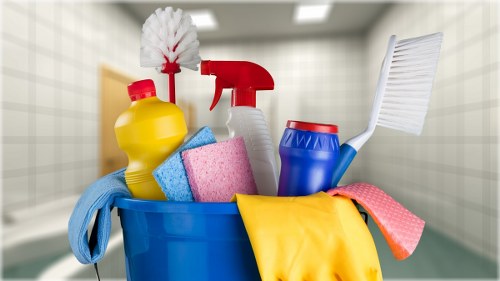
Regular cleaning refers to the ongoing maintenance tasks performed on a daily, weekly, or scheduled basis to keep an area neat, sanitary, and presentable. It includes routine actions such as dusting, vacuuming, wiping surfaces, emptying bins, sanitizing high-touch areas, and keeping floors free of debris. Unlike occasional cleanup, regular cleaning is consistent and intentional.
Many people confuse regular cleaning with deep cleaning, but the two are different. Regular cleaning focuses on visible dirt and everyday upkeep, while deep cleaning targets hidden grime, buildup, and hard-to-reach places. Both are important, but regular cleaning is the foundation that makes everything else easier. When done properly, it creates a stable baseline of cleanliness that supports health and comfort.
Consistency is the real value of regular cleaning. Small tasks completed on a routine schedule can prevent major messes, unpleasant odors, and the spread of bacteria. In a home, this might mean wiping kitchen surfaces after every meal. In a business, it could mean cleaning shared desks, entryways, and restrooms daily. The goal is always the same: keep the environment safe, functional, and pleasant.
Why Regular Cleaning Is Important
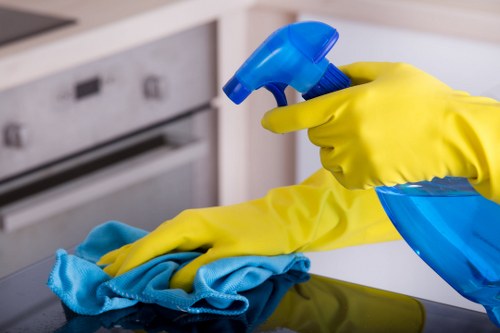
There are many reasons why regular cleaning should be a priority. The most obvious is appearance. A clean space looks better and feels more inviting. But the benefits go far beyond looks. Regular cleaning can lower allergen levels, reduce the spread of germs, and make it easier to identify maintenance issues before they become expensive repairs. A tidy environment also supports mental clarity and reduces stress.
One of the biggest advantages of regular cleaning is healthier indoor air quality. Dust, pet hair, pollen, and other particles can collect quickly, especially in enclosed spaces. When surfaces, vents, and floors are cleaned routinely, fewer irritants circulate in the air. This is especially helpful for children, older adults, and anyone with allergies or respiratory sensitivities.
There is also a practical side to regular cleaning. When dirt and grime are removed promptly, surfaces and equipment last longer. Floors stay in better condition, appliances run more efficiently, and furniture retains its appearance. In other words, regular cleaning is an investment in the value and longevity of your space. It saves time, reduces frustration, and supports better organization day after day.
Regular Cleaning in Homes
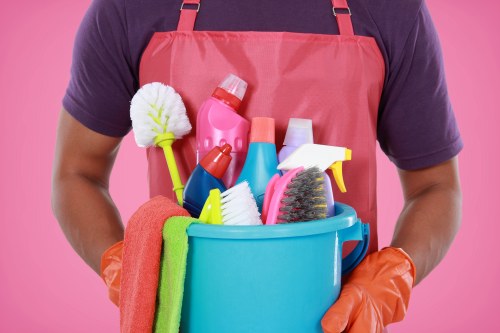
In homes, regular cleaning creates a more comfortable and livable environment. Daily routines often include making beds, wiping kitchen counters, sweeping floors, and keeping bathrooms tidy. Weekly tasks may involve vacuuming, mopping, dusting shelves, washing linens, and disinfecting frequently touched areas. These habits keep household mess under control and prevent buildup from becoming overwhelming.
A clean home can also improve family routines. When items are put away and surfaces are clear, it becomes easier to cook, study, relax, and move through the day without unnecessary distractions. Children benefit from learning cleanliness habits early, and adults often find that organized spaces make it easier to focus and unwind. Regular cleaning is not only about hygiene; it also supports a smoother household rhythm.
Households with pets, small children, or high foot traffic often need more frequent attention. Pet hair, crumbs, fingerprints, and mud can appear quickly. That is why a regular cleaning schedule is so useful. It keeps the home manageable and reduces the need for stressful weekend catch-up sessions. Regular cleaning turns a large chore into a set of simple, repeatable habits.
Regular Cleaning in Offices and Workplaces
In offices and workplaces, regular cleaning plays a major role in productivity and professionalism. Employees are more likely to feel focused and motivated when their environment is neat and organized. Shared spaces such as conference rooms, kitchens, break areas, reception desks, and restrooms require routine care to stay safe and welcoming. A spotless workplace also sends a strong message to clients and visitors.
Commercial settings benefit from regular cleaning in ways that go beyond visual appeal. High-touch surfaces like door handles, light switches, elevator buttons, and communal equipment can collect germs quickly. Routine sanitizing helps lower the risk of illness spreading through the workplace. That can contribute to fewer sick days, better morale, and more consistent operations.
Office cleaning also supports property maintenance. Dust can damage electronics, spills can stain carpets, and clutter can create safety hazards. Regular cleaning helps reduce these issues before they become disruptive. Whether managed in-house or through a professional service, consistent upkeep is one of the smartest ways to protect a business environment.
Key Benefits of Regular Cleaning
There are many reasons people make regular cleaning part of their daily or weekly routine. The benefits are both immediate and long-term. They affect health, comfort, productivity, and even the lifespan of furniture and fixtures. Below are some of the most important advantages:
- Improved hygiene: Regular cleaning reduces germs, bacteria, and viruses on frequently touched surfaces.
- Better indoor air quality: Dust and allergens are removed before they build up.
- Less clutter: Organized spaces are easier to use and maintain.
- Time savings: Smaller tasks done often reduce the need for large cleanups later.
- Longer-lasting surfaces: Floors, counters, appliances, and furniture wear down more slowly.
- Lower stress: Clean surroundings create a calmer, more comfortable atmosphere.
These benefits apply to nearly every type of property. A family home, medical office, retail store, or apartment building all need some form of regular cleaning to function well. The more consistent the effort, the easier it becomes to maintain a polished and healthy environment.
Another important benefit is peace of mind. When a space is regularly maintained, there is less worry about unexpected messes, unpleasant odors, or avoidable damage. That kind of reliability is valuable for both homeowners and business owners. It keeps spaces ready for guests, customers, employees, and daily life.
How to Build a Practical Regular Cleaning Routine
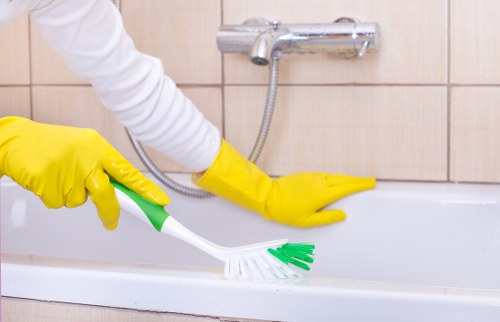
Creating a regular cleaning routine does not have to be complicated. The best approach is to divide tasks by frequency and assign them to realistic time slots. Start with the most important areas, such as kitchens, bathrooms, entryways, and shared work surfaces. Then decide which tasks need daily attention, which can be done weekly, and which can be handled monthly.
A simple routine for regular cleaning might look like this:
- Daily: Wipe counters, wash dishes, sweep high-traffic areas, sanitize touchpoints, and empty trash bins.
- Weekly: Vacuum carpets, mop floors, clean bathrooms, dust furniture, and change bedding.
- Monthly: Clean appliances, wipe baseboards, wash windows, and organize storage areas.
- Seasonally: Refresh closets, deep-clean overlooked areas, and inspect surfaces for maintenance needs.
To keep the routine manageable, focus on consistency rather than perfection. Even 10 to 20 minutes of regular cleaning each day can make a noticeable difference. It helps to keep supplies in convenient locations so tasks can be completed quickly. When cleaning becomes a habit, it feels less like a burden and more like a normal part of the day.
Regular Cleaning Supplies That Make the Job Easier
Having the right tools can make regular cleaning faster and more effective. Basic supplies often include microfiber cloths, a vacuum, a mop, a broom, disinfectant spray, all-purpose cleaner, gloves, scrub brushes, and trash bags. For homes and businesses alike, quality tools can reduce effort and improve results.
Microfiber cloths are especially useful because they trap dust instead of spreading it around. A good vacuum helps remove debris from carpets, rugs, and hard floors. Disinfectant products are important for high-touch areas, while all-purpose cleaners can handle many common surfaces. When these items are stored in accessible spots, regular cleaning becomes much easier to maintain.
It is also wise to use products that are suited to each material. Not every surface can handle the same cleaner. Wood, tile, stainless steel, glass, and fabric all have different needs. Choosing the right product protects the surface and improves the quality of the clean. This small detail can make a big difference in any regular cleaning routine.
Common Mistakes to Avoid
Even with good intentions, some people make mistakes that reduce the effectiveness of regular cleaning. One common error is waiting too long between cleaning sessions. Dirt builds up quickly, and the job becomes harder when tasks are delayed. Another mistake is using the wrong products or tools, which can damage surfaces or leave residue behind.
Other mistakes include cleaning only what is visible and ignoring high-touch areas, corners, vents, and hidden spaces. A surface may look clean while still holding dust or germs. That is why a balanced regular cleaning routine should include both noticeable and less obvious areas. A good process is about more than appearance; it is about thorough maintenance.
Some people also rush through cleaning without allowing enough time for products to work properly. Disinfectants, for example, often need a dwell time to be effective. Reading labels and following instructions matters. A thoughtful approach produces better results and helps you get more value from every regular cleaning session.
Regular Cleaning and Healthier Living
There is a strong connection between regular cleaning and overall well-being. Clean spaces can reduce exposure to dust, mold, bacteria, and allergens. That matters for people with asthma, allergies, or compromised immune systems. It also supports better sleep, better concentration, and a more relaxing environment at home or work.
When surfaces are cleaned routinely, food residue, spills, and grime are less likely to attract pests or create odors. Bathrooms and kitchens in particular benefit from frequent attention because they are high-use, high-risk areas. Regular cleaning supports the hygiene standards needed to keep these spaces safe and comfortable.
Healthier living is not only about eliminating hazards. It is also about creating an atmosphere that feels calm and organized. Clean surroundings can encourage healthier habits, such as cooking more at home, keeping items in place, and maintaining better daily structure. These small improvements often lead to a better quality of life overall.
When to Consider Professional Cleaning Support
Some spaces can be maintained with an in-house routine, while others benefit from professional help. Busy households, large offices, and commercial properties may need additional support to stay consistently clean. Professional services can handle tasks that are time-consuming, labor-intensive, or specialized. This can include carpet care, floor maintenance, restroom sanitizing, and detailed surface cleaning.
Professional support is especially helpful when regular cleaning alone is not enough to keep up with foot traffic or operational demands. For example, a retail environment may require daily attention, while a medical or hospitality setting may need stricter cleaning standards. In these cases, outside help can provide the extra structure and reliability needed to maintain a high standard of cleanliness.
Choosing professional assistance does not replace regular cleaning. Instead, it complements it. A strong routine supported by expert service can deliver cleaner results, better efficiency, and less stress for everyone involved. If your space is becoming hard to manage, book your service now and regain control of your environment.
How Regular Cleaning Supports a Better First Impression
First impressions matter in every setting. A clean entrance, tidy reception area, and polished interior instantly communicate care and professionalism. Whether someone is visiting a home, office, or storefront, visible cleanliness influences how they perceive the space. Regular cleaning helps ensure that the impression is positive from the moment they arrive.
For businesses, this can affect customer trust and brand reputation. People naturally associate cleanliness with quality, attention to detail, and reliability. For homeowners, a well-kept space feels more inviting and comfortable for guests. This is one reason regular cleaning remains such an important part of property care.
When cleaning is done consistently, you do not have to rush before visitors arrive or worry about unexpected messes. Your space is always closer to ready. That level of readiness adds convenience and confidence, which are valuable in both personal and professional settings.
Simple Habits That Make Regular Cleaning Easier
Small daily habits can support a strong cleaning routine and reduce the effort required later. Putting items back after use, wiping spills immediately, and clearing surfaces at the end of the day all help prevent clutter and buildup. These tiny actions may seem minor, but they have a major impact over time.
Here are some easy habits to build into everyday life:
- Clean as you cook to avoid a large kitchen mess.
- Wipe bathroom sinks and counters after use.
- Use doormats to reduce dirt tracked indoors.
- Empty small trash bins before they overflow.
- Set a timer for short regular cleaning sessions.
- Assign tasks by room so nothing is forgotten.
These habits help turn regular cleaning into a natural part of the routine. The more automatic the process becomes, the easier it is to maintain a neat and healthy space. A little effort every day can make a big difference in the long run.
Final Thoughts on Regular Cleaning
Regular cleaning is more than a household chore or a workplace task. It is a practical, ongoing commitment to comfort, hygiene, and organization. It protects surfaces, improves air quality, supports better health, and makes every space feel more manageable. Whether you are caring for a small apartment or a large commercial property, the value of regular cleaning is hard to ignore.
By building simple habits, using the right tools, and staying consistent, you can keep your environment in much better condition with less stress. You do not need complicated systems to see results. You need a reliable routine, a clear plan, and a willingness to maintain it. That is the real power of regular cleaning.
If your home or business needs a fresh start, now is the perfect time to act. Contact us today to take the next step toward a cleaner, healthier, and more organized space. Book your service now and experience the difference that consistent care can make.